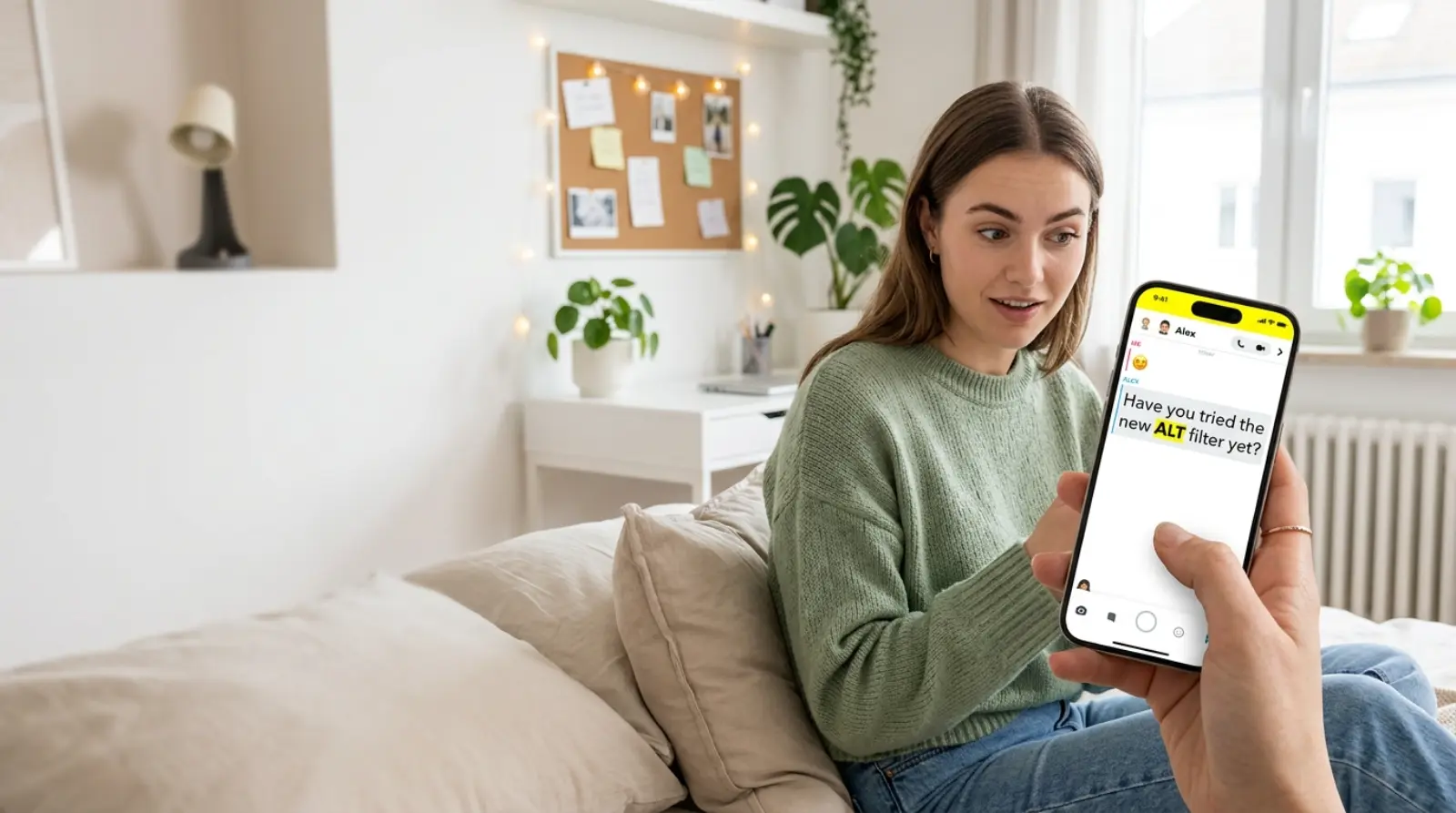
If you’ve scrolled through Snapchat and seen someone mention their “alt,” or a friend asked you “do you have an alt?”, you’re not alone in wondering what that means. On Snapchat, “alt” is short for “alternate” or “alternative account” — a second, often more private Snapchat profile that a user runs alongside their main account. It’s one of the most common pieces of Snapchat slang floating around Gen Z and younger millennial social circles, and it’s tightly connected to related terms like finsta, spam account, and secondary account.
This isn’t a Snapchat-specific feature built into the app — there’s no official “alt” button. Instead, it’s a cultural habit that users adopted, the same way people use secondary accounts on Instagram, TikTok, and Discord. Understanding what an alt is (and isn’t) matters because it touches on privacy, digital identity, dating culture, and even trust between friends. If someone tells you they have an “alt Snap,” they’re telling you something real about how they manage their online life.
In this guide, you’ll get a clear definition, the origin and history of the term, how it’s used across different platforms and contexts (including dating, gaming, and workplace slang), real conversation examples, common mistakes, misconceptions, and a full FAQ section answering the questions people actually search for. By the end, you won’t need to look this up anywhere else.
Quick Definition: What “Alt” Means on Snapchat
Alt (noun/adjective) — short for alternate or alternative account. On Snapchat, an alt is a second account a user creates and operates separately from their main, primary Snapchat account.
- Pronunciation: “alt” (rhymes with “salt”)
- Part of speech: Noun (“she has an alt”) or adjective (“that’s my alt account”)
- Platform origin: Popularized on Twitter/X and Tumblr, later spread to Instagram, Snapchat, TikTok, and Discord
- Typical purpose: Privacy, curated audience, anonymity, or separating different sides of one’s life
In short: your main account is the one your family, coworkers, and broad social circle follow. Your alt is the one only a small, trusted group knows about — sometimes just a handful of close friends, sometimes a romantic partner, sometimes nobody at all except the person running it.
Where Did the Term “Alt” Come From?
The word “alt” is simply a shortened form of “alternative” or “alternate,” and it’s been used in tech and gaming spaces for decades — think “alt+tab” on a keyboard or an “alt character” in an MMORPG. But the specific slang meaning of an alt account as a secondary social media profile really took off in the mid-2010s.
Twitter users were among the first to popularize “alt” accounts around 2015, using them to post more personal, unfiltered thoughts away from their public-facing profile. Around the same time, Instagram began encouraging multi-account switching, which accelerated the rise of the “finsta” (fake Instagram) — a close cousin of the alt account. As Snapchat’s user base grew through the late 2010s and Gen Z made it a primary communication tool, the alt account concept migrated over naturally. Today, “alt” is a fully mainstream piece of internet vocabulary, used across nearly every social platform.
The Meaning of “Alt” on Snapchat, Explained in Depth
1. The Primary Meaning: A Secondary Snapchat Account
This is by far the most common way “alt” is used on Snapchat. A user has:
- Main account — public-ish, used with their real name, followed by a wide circle (classmates, coworkers, extended friend group, sometimes family)
- Alt account — private, smaller username, followed by a tight-knit group of close friends or a significant other
People use their alt to post things they wouldn’t want their whole friend list seeing: venting about a bad day, inside jokes, unfiltered selfies, relationship content, or just goofy Snaps that don’t fit the “vibe” of their main.
2. Alt as “Alter Ego” Account
A slightly different flavor of the same meaning: some people use “alt” to describe an account that represents a different persona entirely — not just a smaller audience, but a different version of themselves. This is common in more adult or NSFW corners of social media, where an “alt” account posts content a person’s main identity never would, precisely because it’s disconnected from their real name and reputation.
3. Alt in Gaming Contexts (Less Common on Snapchat, But Related)
Because Snapchat overlaps heavily with gaming culture (Snapchat is often used alongside Discord and gaming platforms), you’ll sometimes see “alt” used the way gamers use it: a secondary game account, separate from a Snapchat identity, used to avoid bans, practice against lower-ranked players (“smurfing”), or simply have a fresh start. This meaning bleeds into Snapchat conversation when gamers talk about their setups, but it’s not the primary Snapchat usage.
4. Alt as Shorthand for “Alternative” in General Conversation
Occasionally, “alt” on Snapchat is used the plain old way — short for “alternative,” as in “send me an alt option” or “what’s your alt plan.” This is far less common than the account-related meaning but worth knowing so you don’t get confused by context.
Alt vs. Finsta vs. Spam Account vs. Private Account: What’s the Difference?
These terms get used interchangeably, but they have subtle differences worth knowing.
| Term | Meaning | Primary Platform | Typical Audience Size |
| Alt | General secondary account for any reason | Twitter/X, Snapchat, Instagram | Varies — small to medium |
| Finsta | “Fake Instagram” — specifically an Instagram secondary account for close friends | Instagram (term rarely used on Snapchat) | Very small (close friends only) |
| Spam account | Secondary account used to post extra/unfiltered content without cluttering the main feed | Instagram, TikTok | Small to medium |
| Private account (locked) | Main account set to private, not a separate account at all | Any platform | Same as main follower list |
| Smurf | Gaming-specific alt used to hide skill level | Gaming platforms | N/A (not social) |
The key distinction for Snapchat specifically: since Snapchat doesn’t have a strict “finsta” culture the way Instagram does, most Snapchat users just say “alt” regardless of the exact reason for the second account.
Why Do People Have an Alt on Snapchat? Common Reasons
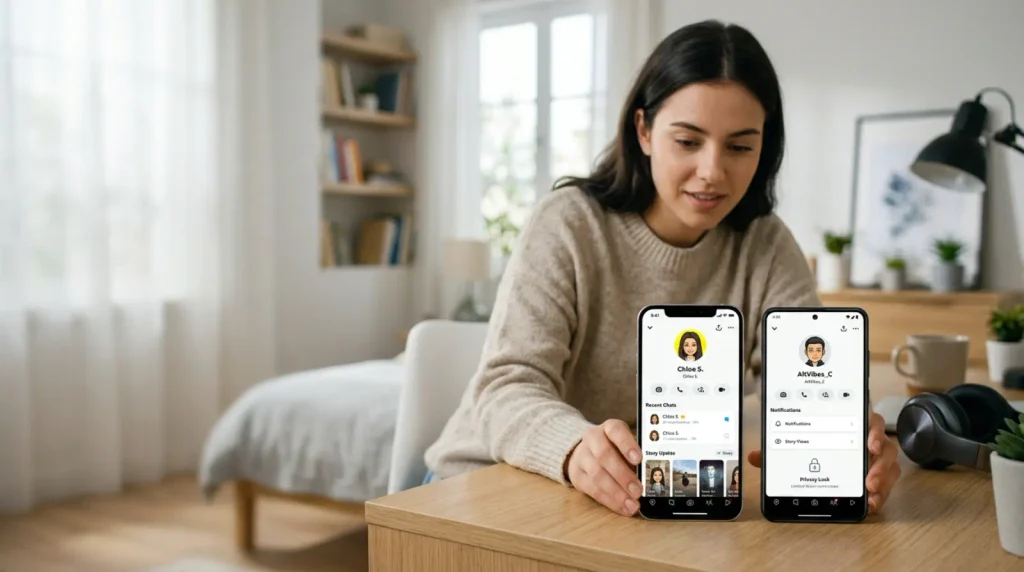
Understanding the “why” helps make sense of the culture around this term. Here are the most common motivations:
- Privacy from family or coworkers — Keeping a main account “clean” for people who matter professionally or within family circles.
- Curated close-friend group — Posting Snaps meant only for a tight circle without oversharing to the whole friend list.
- Relationship-related content — Many couples use alts to keep romantic or couple-y Snaps away from their public feed.
- Venting or unfiltered emotional posts — A space to be honest about a bad day without performing positivity for a wider audience.
- Avoiding drama or judgment — Separating “professional” or “put-together” online presence from more casual, silly, or messy moments.
- Backup account — Some people keep an alt simply in case their main account gets locked, hacked, or banned.
- Anonymity for specific content — Less common on Snapchat than on Twitter/X, but still a factor for some users.
Real Conversation Examples: How “Alt” Is Used in Texts and Chats
Here’s how the term actually shows up in everyday Snapchat and text conversations:
Example 1 — Asking for someone’s alt:
Sender: “wait do u have an alt??” Reply: “yeah lol add me @[username]_alt”
Example 2 — Explaining why an alt exists:
“I don’t post real stuff on my main anymore, everything’s on my alt now”
Example 3 — Couple context:
“we made a couple alt just for us lol nobody else knows about it”
Example 4 — Casual mention in group chat:
“bro just saw ur alt story, why do u look so different there 💀”
Example 5 — Slightly suspicious context:
“wait is this ur alt or are u actually a different person”
Alt Meaning Across Other Platforms and Contexts
While this article focuses on Snapchat, it helps to see how the term shifts slightly depending on where you encounter it:
- Instagram — Often called a “finsta” specifically, though “alt” is used too, especially for aesthetic-only or fashion-focused secondary accounts.
- TikTok — “Alt” usually refers to a backup or niche-content account (e.g., a comedy alt vs. a main lifestyle account).
- Discord — “Alt” almost always refers to a secondary account used to bypass bans, join multiple servers under different identities, or keep gaming and social life separate.
- Reddit — “Throwaway” is more common than “alt,” but “alt” is still used, especially for karma farming or posting in sensitive subreddits anonymously.
- Gaming (general) — Refers to a secondary game account, often for “smurfing” or avoiding matchmaking penalties.
- Dating apps and dating culture — “Alt” can be a red flag word — if someone mentions their partner has an “alt” Snapchat, it sometimes implies secrecy or even infidelity concerns, since alts are private by nature.
- Workplace slang — Rare, but some younger employees reference having a “work alt” — a separate, professional-only social account distinct from their personal one.
Common Misconceptions About Snapchat Alts
Misconception 1: “Alt accounts are always used for something shady.” Not true. Most alt accounts exist for completely mundane reasons — privacy, curation, or simply keeping content organized. The negative connotation exists, but it’s not the default reason.
Misconception 2: “Alt” is an official Snapchat feature. Snapchat doesn’t provide a built-in “alt” toggle like some platforms allow for business/personal switching. An alt is simply a separate account created manually with a different email or phone number.
Misconception 3: Having an alt means you’re hiding something from a partner. While this can be true in some cases, plenty of people in healthy relationships keep alts for reasons unrelated to their partner — old friend groups, hobbies, or professional boundaries.
Misconception 4: Alt accounts are only for teenagers. While the term is especially popular with Gen Z, alt accounts are used across age groups, including adults managing professional versus personal online identities.
Positive and Negative Connotations
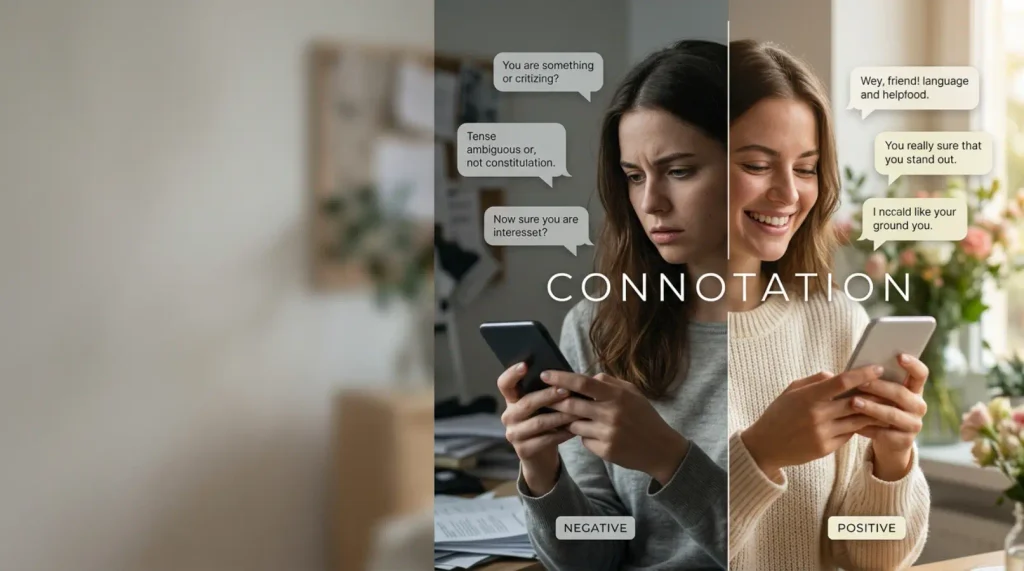
Positive connotations:
- Protecting personal privacy
- Curating a smaller, more genuine audience
- Creative freedom without judgment
- Organizing different interests separately
Negative connotations:
- Can suggest secrecy in a relationship
- Sometimes associated with catfishing or impersonation
- Occasionally used to harass or troll anonymously
- Can enable rule-breaking on platforms (ban evasion, age restriction bypassing)
Context always determines the tone. “I have an alt” said casually among friends carries a totally different weight than “why do you have a secret alt I didn’t know about” said in a relationship conversation.
Tone and Popularity
The term “alt” is casual, informal internet slang — not appropriate for formal writing, but extremely common in texting, DMs, captions, and spoken conversation among younger users. Its popularity has stayed consistently high since roughly 2017–2018 and shows no sign of fading, especially as multi-account behavior becomes even more normalized across nearly every major platform.
Summary Table: Key Facts About “Alt” on Snapchat
| Category | Details |
| Meaning | Secondary/alternate Snapchat account |
| Origin | Popularized on Twitter/X around 2015, spread through Instagram and Snapchat |
| Common usage | Referring to a private account separate from one’s main, public-facing account |
| Tone | Casual, informal slang |
| Popularity | Very high among Gen Z and younger millennials |
| Related terms | Finsta, spam account, private account, smurf, main account |
| Platforms it appears on | Snapchat, Instagram, TikTok, Twitter/X, Discord, Reddit |
| Typical audience for an alt | Small, trusted group of close friends or a partner |
| Common reasons for having one | Privacy, curated content, venting, relationship content, backup account |
Common Mistakes People Make When Talking About Alts
- Assuming everyone knows what “alt” means — Older or less online users often need context, so clarifying (“my second account”) avoids confusion.
- Using “alt” and “finsta” interchangeably in every context — While closely related, finsta is more Instagram-specific slang.
- Assuming an alt is always secret — Some alts are known to a wide circle; “secret” and “alt” aren’t synonyms.
- Treating an alt as inherently suspicious — Jumping to conclusions about someone’s alt account without context can create unnecessary conflict.
Frequently Asked Questions (FAQ)
1. What does it mean if a guy or girl has an “alt” Snapchat?
It usually just means they have a second, more private Snapchat account for a smaller circle of friends. It doesn’t automatically imply anything negative — context and relationship dynamics matter more than the existence of the account itself.
2. Is having an alt account against Snapchat’s rules?
No. Snapchat’s terms of service don’t prohibit having multiple accounts, as long as each account follows community guidelines and age requirements. However, using an alt specifically to evade a ban or harass someone can violate Snapchat’s policies.
3. How can you tell if someone has an alt Snapchat account?
There’s no built-in way to detect this from the app itself. Usually, people find out through mutual friends, by being added to the alt directly, or by noticing inconsistencies (like a friend referencing content you’ve never seen on their main page).
4. What’s the difference between an alt and a finsta?
“Finsta” (fake Instagram) is Instagram-specific slang for a close-friends-only secondary account. “Alt” is a broader term used across multiple platforms, including Snapchat, that describes any secondary account, regardless of purpose.
5. Why do couples create alt Snapchat accounts together?
Couples often make a shared alt to post relationship content, inside jokes, or photos they don’t want visible to their entire individual friend lists. It’s essentially a private, joint space just for the two of them.
6. Is it a red flag if my partner has a Snapchat alt I don’t know about?
Not automatically — plenty of people have alts unrelated to their relationship. That said, open communication matters. If discovering an undisclosed alt causes concern, it’s worth having an honest conversation rather than assuming the worst.
Conclusion
So, what does “alt” mean on Snapchat? At its core, it’s simply short for “alternate account” — a second, more private Snapchat profile that runs parallel to someone’s main account. It’s a piece of everyday internet slang rooted in a very human desire: the ability to control who sees what, and to have a space that feels less performative than a main, public-facing profile.
Whether it’s used for privacy, close-friend content, relationship posts, or just keeping different sides of life separate, having an alt is now a completely normal part of how people — especially younger users — navigate social media. Understanding this term helps you read digital conversations more accurately, avoid unnecessary misunderstandings, and stay fluent in the ever-evolving language of online culture.
If you ever see “alt” pop up again — on Snapchat or anywhere else — you’ll know exactly what it means, why it exists, and how to use the term naturally yourself.

Basra Kamal is a content writer and researcher at Top Meaning, specializing in word meanings, abbreviations, internet slang, texting terms, and modern language trends. She is passionate about making complex words and online expressions easy to understand through clear, accurate, and well-researched content. Her work helps readers quickly find reliable explanations of popular terms, phrases, and acronyms used in everyday communication and digital culture.





1 thought on “What Does “Alt” Mean on Snapchat? A Complete Guide to Alt Accounts, Slang, and Everything In Between”